
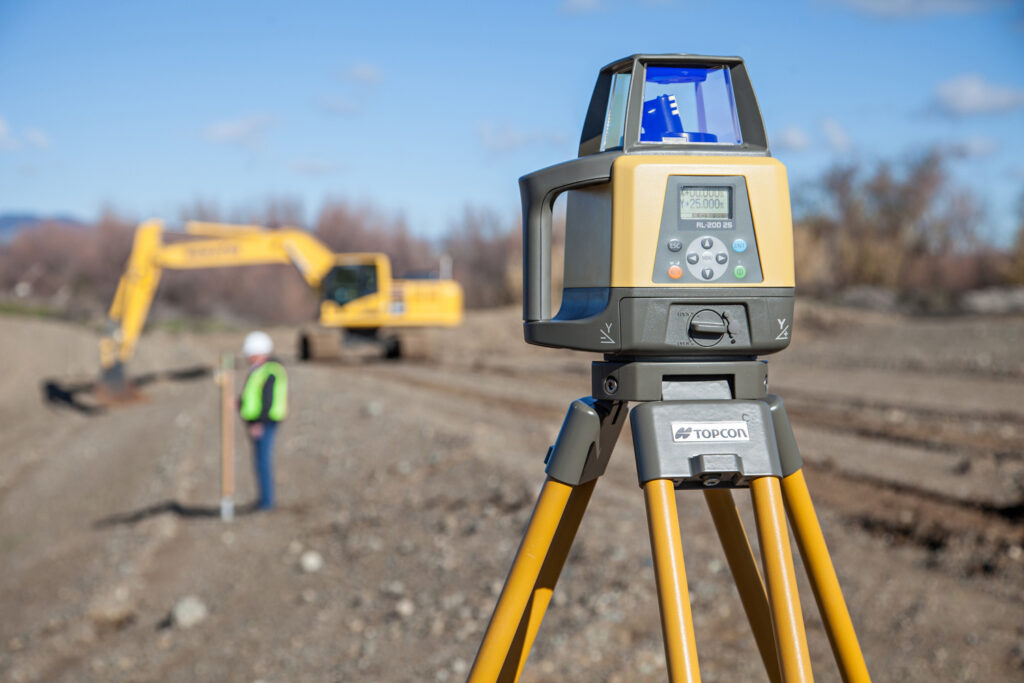
The image of the construction industry as “pen and paper” is rapidly fading. Today, commercial construction is undergoing a massive digital transformation. From the first survey to the final handover, technology is reshaping how we build—making projects faster, safer, and more profitable.
Here is a look at the six key stages where technology is changing the game.
1. Planning & Design: Building It Before It’s Built
The most critical tech advancement in the pre-construction phase is BIM (Building Information Modeling). Unlike traditional 2D blueprints, BIM creates a detailed 3D digital model of the entire structure.
Why it matters:
- Clash Detection: BIM allows teams to “build” the project virtually first. This means detecting clashes—like a duct running through a structural beam—before a single shovel hits the ground.
- Better Coordination: Architects, engineers, and contractors work from a single source of truth, reducing the confusion that leads to rework.
Complementing BIM are Digital Site Surveys & Drones. Drones can map large job sites in minutes rather than days, producing accurate topographical data for grading and reducing the manual labor required for initial surveys.
2. Project Management: The End of Outdated Drawings
The days of rolling out physical blueprints on a hood of a truck are ending. Construction Management Software (like Procore, PlanGrid, and Autodesk Build) has centralized the flow of information.
- Real-Time Data: By centralizing RFIs, submittals, and drawings, these platforms ensure that everyone—from the GC to the sub—is working from the latest set of plans.
- Mobile Communication: Foremen and superintendents can access punch lists and schedules directly on tablets in the field. This instant communication loop significantly reduces mistakes caused by outdated information.
3. Execution in the Field: Automation & Precision
Once construction begins, Robotics and Automation are stepping in to handle repetitive and high-precision tasks.
- Robotic Layout Tools: These can print floor layouts significantly faster than manual teams.
- Heavy Machinery: GPS and machine control allow excavators and dozers to follow digital terrain models exactly, cutting earthworks time and fuel costs.
Safety is also getting an upgrade. Smart vests and helmets (Wearables) now monitor worker locations, detect falls, and alert teams to high-risk conditions, directly improving OSHA compliance and keeping crews safe.
4. Quality Assurance: Eyes on the Job 24/7
How do you know if concrete is curing correctly in freezing temperatures? In the past, you guessed or tested samples destructively. Now, IoT (Internet of Things) Sensors do the work for you.
- Smart Sensors: These are embedded in materials to track vibration, moisture, and curing temperature, providing real-time alerts if specs are violated.
- AI Monitoring: AI-enabled cameras can automatically track progress against the BIM model and flag unsafe behaviors or non-compliant work without human intervention.
5. Budget & Cost Control: Precision Estimating
Profit margins in construction are tight, and Estimating Software is helping protect them. Digital takeoff tools can calculate material quantities instantly, while AI-driven tools help forecast costs based on market trends, reducing the human error that often leads to budget overruns.
During the build, financial tracking tools monitor real-time labor hours and material deliveries, allowing project managers to forecast the impact of change orders before they become a crisis.
6. Post-Construction: The Digital Handover
The value of construction tech doesn’t end when the crew leaves. We are moving toward Digital Twins—a complete digital record of the building delivered to the owner. This helps facility managers handle maintenance and operations more efficiently, reducing the long-term operating costs of the building.
The Technology Bottom Line
Technology is no longer just a “nice to have” in commercial construction; it is a competitive necessity. By integrating these tools, firms are achieving:
- Reduced delays and rework
- Improved job site safety
- Lower total project costs
- Higher quality and accuracy
The future of construction isn’t just about pouring concrete; it’s about managing data. The companies that master both will be the ones that lead the industry in the coming decade.